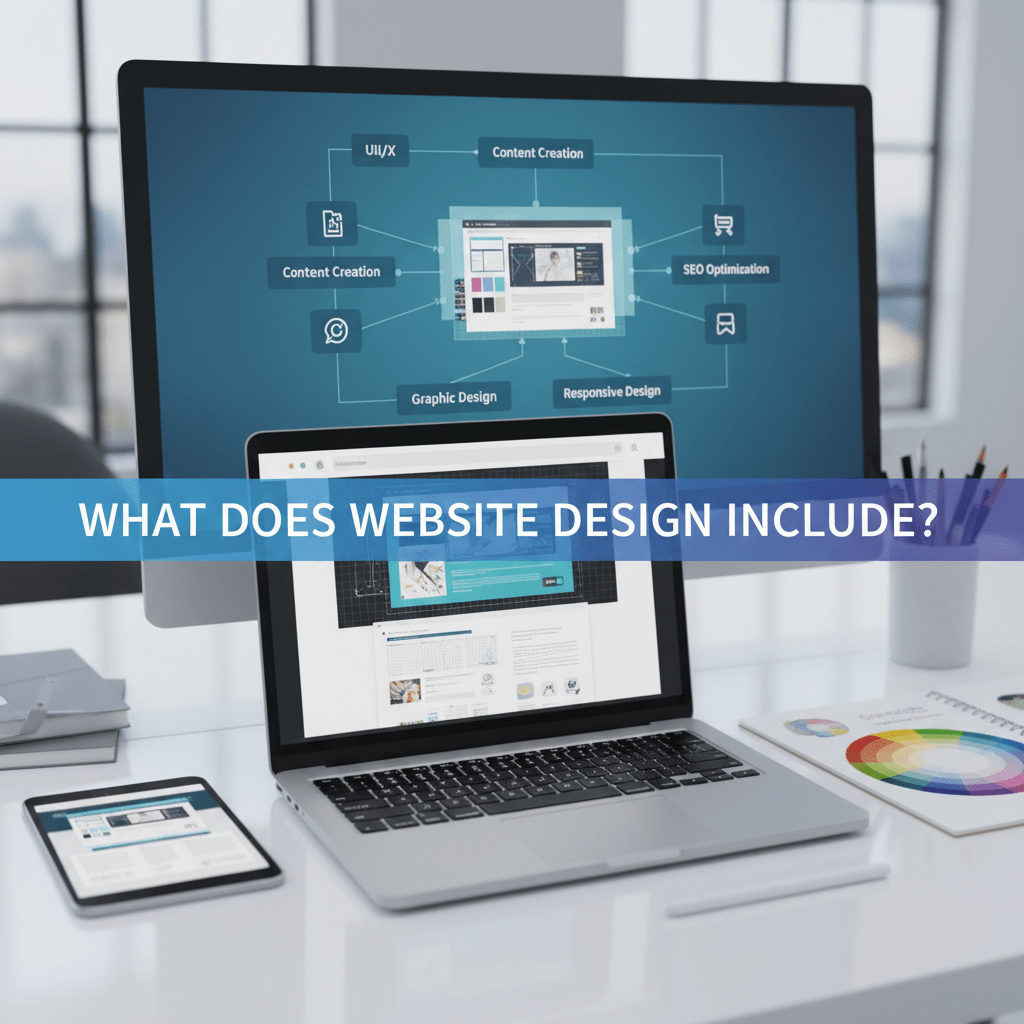
Website Design: What Does It Really Include?
Website Design: What Does It Really Include?
Ever wondered what goes into creating those beautiful, functional websites we visit every day? It’s much more than just pretty pictures and snappy text! Website design is a complex, multi-faceted discipline that blends art, science, and psychology to craft an effective online presence. It’s about building a digital home for your brand or business that not only looks great but also works seamlessly for your users, driving engagement and achieving your goals. But what exactly does that entail?
In this article, we’ll pull back the curtain on the world of website design, exploring all the intricate components that come together to form a truly effective online experience. From the initial conceptualization to the final launch and beyond, you’ll gain a comprehensive understanding of what makes a website truly shine.
Table of Contents
- Foundational Elements of Website Design
- Crafting the User Experience and Interface
- The Power of Content and Visuals
- Technical Implementation and Optimization for Website Design
- Ongoing Maintenance and Evolution
Foundational Elements of Website Design
Before any code is written or any image is designed, a successful website design project starts with a solid foundation. Think of it like building a house; you wouldn’t just start nailing boards together without a blueprint, right? The same goes for your digital presence.
Understanding Goals and Audience
Every great website begins with a clear understanding of its purpose. What do you want your website to achieve? Is it to sell products, generate leads, provide information, or build a community? Pinpointing these goals is the first step. Equally important is knowing your audience. Who are you trying to reach? What are their needs, preferences, and pain points? A deep dive into your target demographic helps tailor every aspect of the design to resonate with them.
For instance, a website targeting teenagers will have a vastly different aesthetic and tone than one aimed at corporate executives. Understanding these nuances is crucial for effective communication.
Branding and Identity Integration
Your website is a direct extension of your brand. Therefore, it must consistently reflect your brand’s identity, values, and personality. This includes incorporating your logo, brand colors, typography, and specific imagery style. Consistency across all touchpoints, including your website, builds trust and strengthens brand recognition. When visitors land on your site, they should instantly recognize it as yours.
A strong brand identity woven into your website design creates a memorable and cohesive experience, separating you from the competition. What kind of impression do you want to leave?
Crafting the User Experience and Interface
This is where the magic truly happens, transforming a mere collection of pages into an intuitive and enjoyable journey for your visitors. Website design isn’t just about looks; it’s about how people feel and interact with your site.
User Experience (UX) Design: The Invisible Hand
UX design is all about making your website easy, efficient, and pleasant to use. It focuses on the user’s journey, from the moment they land on your site to when they complete their desired action. This involves:
- Information Architecture: How content is organized and structured, ensuring logical flow and easy navigation.
- Wireframing and Prototyping: Creating skeletal frameworks and interactive models to test layouts and user pathways before full development.
- Usability Testing: Observing real users interacting with the site to identify pain points and areas for improvement.
A well-executed UX can significantly impact conversion rates and user satisfaction. Believe it or not, 88% of online consumers are less likely to return to a site after a bad experience!
User Interface (UI) Design: The Visual Appeal
While UX is the invisible hand, UI is the visible face. UI design focuses on the aesthetic elements and interactive features users see and touch. This includes:
- Visual Hierarchy: Guiding the user’s eye to the most important elements on the page.
- Typography: Choosing fonts that are legible, reflect brand personality, and enhance readability.
- Color Palettes: Selecting colors that evoke desired emotions and support brand identity.
- Interactive Elements: Designing buttons, forms, and other clickable components for intuitive interaction.
The goal is to create an interface that is not only beautiful but also highly functional and aligned with the UX principles. Think of it as wrapping a powerful engine in a sleek, ergonomic body.
Responsive Design: Adapting to Every Screen
In today’s multi-device world, responsive design isn’t optional; it’s essential. This means your website automatically adjusts and optimizes its layout, images, and functionalities to look and perform perfectly on any device – be it a desktop computer, a tablet, or a smartphone. Google favors mobile-first indexing, making responsive design crucial not just for user experience but also for optimizing for search engines.
Ensuring your website is accessible and functional across all screen sizes improves user satisfaction and significantly contributes to your SEO friendly design efforts. It’s like having a chameleon that perfectly adapts to its environment!
The Power of Content and Visuals
A stunning design is only half the battle. What truly engages your audience and converts visitors into customers is compelling content and effective visual communication. This stage of website design ensures your message is heard loud and clear.
Content Strategy and Copywriting
Content isn’t just filler; it’s the heart of your message. A robust content strategy determines what information will be presented, how it will be organized, and the tone of voice. High-quality, engaging, and relevant content:
- Educates and informs your audience
- Builds credibility and authority
- Encourages engagement and conversions
- Is essential for SEO optimization
Professional copywriting transforms complex ideas into clear, concise, and persuasive language. It’s about telling your story in a way that resonates. We often assist clients with creating compelling content that converts.
Photography, Videography, and Graphics
A picture is worth a thousand words, and in website design, high-quality visuals are non-negotiable. This includes:
- Professional Photography: Images that showcase your products, services, team, or location in the best light.
- Engaging Videography: Explainer videos, testimonials, or product demonstrations that capture attention.
- Custom Graphics and Illustrations: Unique visual elements that reinforce your brand and make your site stand out.
Visuals play a massive role in setting the tone, breaking up text, and conveying information quickly. Research shows that content with relevant images gets 94% more views than content without images.
Technical Implementation and Optimization for Website Design
Once the design and content are finalized, it’s time to bring everything to life through development and ensure it performs optimally. This is where the technical prowess of website design comes to the forefront.
Web Development and Core Functionality
This phase translates the visual design and content into a fully functional website using coding languages like HTML, CSS, JavaScript, and various backend technologies. Key aspects include:
- Frontend Development: Building the parts of the website that users interact with directly.
- Backend Development: Creating the server-side logic, databases, and APIs that power the site.
- CMS Integration: Setting up Content Management Systems (CMS) like WordPress, enabling easy content updates.
- Custom Features: Implementing specific functionalities like e-commerce capabilities, booking systems, or member portals.
A leading technology company like Digital Platforms excels in custom software development and web development, ensuring robust, scalable, and secure websites for their clients. Their proven track record with happy clients speaks volumes.
Performance Optimization and SEO
A beautiful website that loads slowly or can’t be found on search engines is like a stunning billboard hidden in a back alley. Performance optimization and SEO (Search Engine Optimization) are critical for visibility and user experience.
- Page Speed Optimization: Techniques to ensure fast loading times, which is vital for user retention and SEO.
- Technical SEO: Optimizing site structure, meta tags, schema markup, and other technical elements to help search engines crawl and index your site effectively.
- Security Measures: Implementing SSL certificates, firewalls, and regular backups to protect your site and user data.
By optimizing for search engines, you increase your organic visibility, attracting more potential customers to your digital presence. Digital Platforms specializes in SEO optimization, helping businesses ensure their new website design reaches its full potential in search rankings.
Ongoing Maintenance and Evolution
Launching your website isn’t the finish line; it’s just the beginning. Website design is an ongoing process of monitoring, refining, and evolving to stay relevant and effective.
Website Maintenance and Updates
Just like a physical store needs upkeep, your website requires continuous maintenance to function smoothly. This includes:
- Security Updates: Regularly patching software and plugins to prevent vulnerabilities.
- Software Updates: Keeping your CMS, themes, and plugins current for optimal performance and compatibility.
- Content Refresh: Updating old content, adding new blog posts, or new product listings to keep your site fresh and engaging.
- Bug Fixes: Addressing any technical glitches or broken links that may arise.
Neglecting maintenance can lead to security breaches, broken functionalities, and a dated online presence, ultimately harming your brand’s reputation.
Analytics and Iterative Improvements
How do you know if your website design is actually working? By continually analyzing its performance! Tools like Google Analytics provide invaluable data on user behavior, traffic sources, conversion rates, and more. This data allows for:
- Identifying User Behavior Patterns: Understanding how visitors navigate your site.
- Pinpointing Areas for Improvement: Discovering pages with high bounce rates or low conversion.
- A/B Testing: Experimenting with different design elements or content to see what performs best.
This iterative process of analysis, refinement, and re-design ensures your website continuously evolves to meet user needs and business objectives. Isn’t it empowering to know you can always make your website better?
Frequently Asked Questions About Website Design
- What is the most crucial element of successful website design?
- While many elements are important, user experience (UX) design is arguably the most crucial. A positive UX ensures visitors can easily navigate, find information, and interact with your site, leading to higher engagement and conversions.
- How long does it take to design a website?
- The timeline for website design varies greatly depending on its complexity, the number of pages, custom functionalities, and content availability. A simple informational site might take 4-6 weeks, while a complex e-commerce platform could take several months or more.
- Why is responsive website design so important today?
- Responsive website design is vital because users access websites from a myriad of devices (desktops, tablets, smartphones). A responsive design ensures your site looks and functions perfectly across all screen sizes, improving user experience, SEO rankings, and reach.
Conclusion
As you can see, website design is a vast and intricate field, encompassing everything from strategic planning and creative aesthetics to cutting-edge technical execution and ongoing optimization. It’s a journey that prioritizes the user, reflects your brand, and leverages technology to achieve your desired outcomes.
An effective website isn’t just a digital brochure; it’s a dynamic, living entity that grows with your business and connects you with your audience. Investing in professional website design means investing in your online future, ensuring a strong digital presence that drives success.
Ready to build a website that truly makes an impact? Don’t leave your digital presence to chance. Partner with experts who understand the nuances of modern web design and development. Whether you’re starting from scratch or looking to revamp an existing site, a dedicated team can help you navigate these complexities and craft a stunning, high-performing website.
For information or free consultation, visit our services pages and send us an email: www.digitalplatforms.co.za.