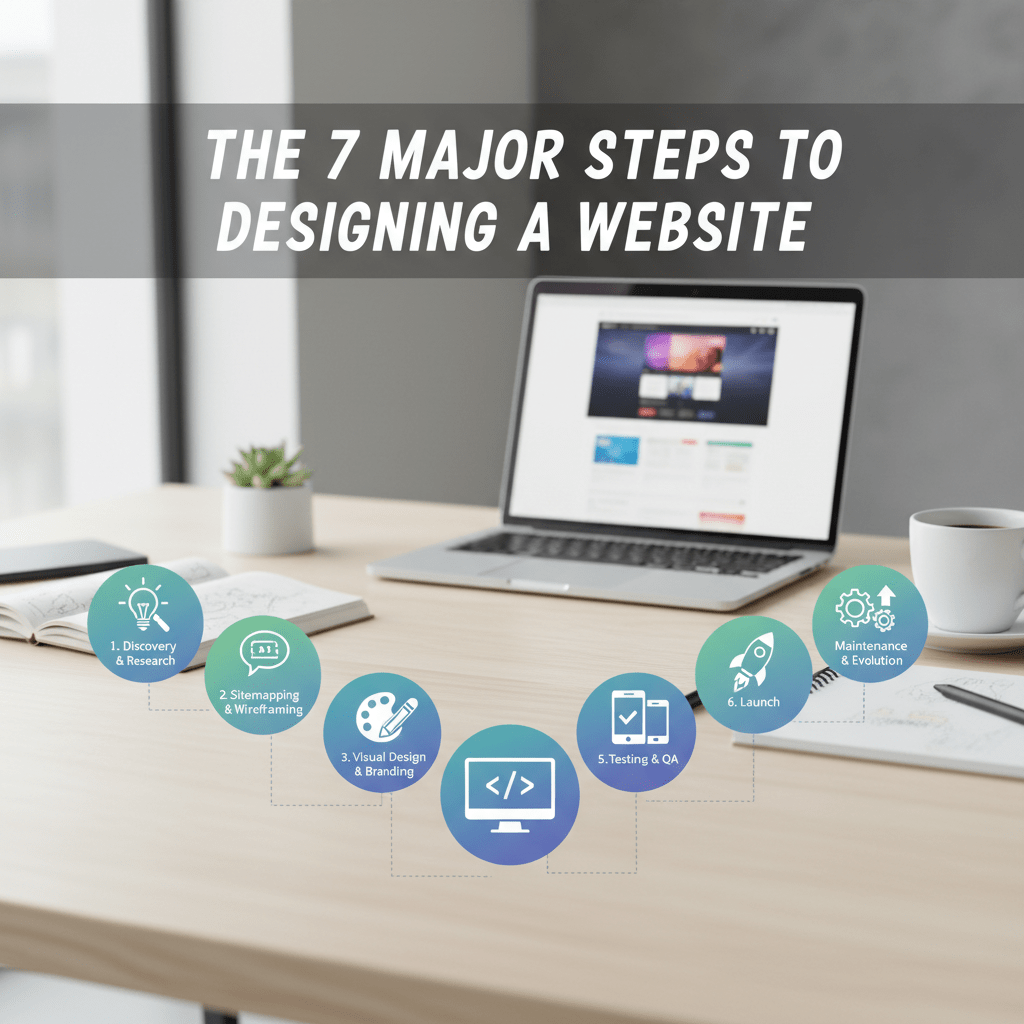
Website Design Steps: Your Guide to a Stunning Site
Website Design Steps: Your Guide to a Stunning Site
Ever wondered what goes into creating a beautiful, functional website? It’s more than just slapping some text and images onto a page, isn’t it? Building a great website takes careful planning, creative execution, and a touch of magic. Think of it like building a house: you wouldn’t just start nailing planks together without a blueprint, would you?
The same goes for your online home. Understanding the key website design steps is essential for anyone looking to establish or improve their digital presence. Whether you’re a small business owner, an aspiring blogger, or simply curious, knowing this process can save you a lot of headaches and help you achieve your goals.
Let’s dive into the structured journey of bringing a website to life, ensuring it’s not just pretty, but also powerful, user-friendly, and effective.
Table of Contents
- Step 1: Planning and Strategy
- Step 2: Sitemap & Wireframing
- Step 3: Content Creation & Gathering
- Step 4: Visual Design (UI/UX)
- Step 5: Development & Coding
- Step 6: Testing & Launch
- Step 7: Maintenance & Updates
- FAQ
- Conclusion
Step 1: Planning and Strategy – The Foundation of Great Website Design Steps
Every successful project begins with a solid plan, and website design is no exception. This initial phase is where you lay the groundwork, define your objectives, and understand your audience. It’s like sketching out the blueprints before you even think about buying bricks.
Defining Your Website’s Purpose
Before anything else, ask yourself: Why do you need a website? Is it to sell products, showcase a portfolio, provide information, or generate leads? Your purpose will dictate everything from the features you include to the design aesthetic. A clear purpose helps you stay focused and ensures every element serves a specific goal.
- E-commerce: Selling products directly.
- Portfolio: Displaying creative work or services.
- Informational: Educating visitors on a topic or business.
- Lead Generation: Capturing contact details from potential clients.
Understanding Your Target Audience
Who are you trying to reach? Knowing your target demographic – their age, interests, pain points, and online behavior – is critical. This insight informs your design choices, content tone, and even the User Experience (UX) design principles you’ll apply. For example, a website for teenagers will look and feel very different from one aimed at corporate executives.
Competitor Analysis and Goal Setting
What are your competitors doing right? What could they do better? Analyzing your competition can provide valuable insights and help you identify opportunities to differentiate yourself. Then, set clear, measurable goals for your website. Do you want 100 new newsletter sign-ups per month? A 5% increase in online sales? Specific goals help you track progress and measure success.
Step 2: Sitemap & Wireframing – Structuring Your Vision
Once you’ve got a solid plan, it’s time to translate that into a tangible structure. This involves creating a sitemap and then wireframing individual page layouts. These are crucial website design steps that ensure logical navigation and a user-friendly experience.
Crafting a Logical Sitemap
A sitemap is essentially a blueprint of your website’s hierarchy, showing how all your pages connect. It helps organize your content and ensures visitors can easily find what they’re looking for. Think of it as a table of contents for your entire site. A well-structured sitemap reduces bounce rates and improves SEO optimization.
Designing Wireframes for Page Layouts
Wireframes are like rough sketches of each page’s layout. They outline where elements like headers, navigation, images, and text blocks will sit, without focusing on aesthetics. This allows you to prioritize functionality and user flow. It’s a low-fidelity representation that helps you visualize the structure before getting lost in design details. Many of our clients at Digital Platforms find this step incredibly useful for refining their vision before we even touch the code.
Step 3: Content Creation & Gathering – The Heart of Your Site
Content is king, right? This step is all about developing the text, images, videos, and other media that will populate your website. It’s often an ongoing process, but having a good chunk ready before design and development phases begin is vital.
Writing Compelling Copy
Your website’s copy isn’t just about providing information; it’s about engaging your audience, communicating your brand message, and even driving conversions. Write clear, concise, and compelling content that resonates with your target audience. Incorporating your focus keyword naturally throughout the copy also boosts your SEO.
Sourcing or Creating Visual Assets
High-quality images, videos, and graphics are essential for a modern, engaging website. They break up text, convey messages quickly, and make your site more appealing. Whether you’re hiring a photographer, using stock images, or designing custom illustrations, ensure your visuals are consistent with your brand and optimized for web use.
Step 4: Visual Design (UI/UX) – Bringing Your Brand to Life
This is where the magic truly begins to take shape! The visual design phase focuses on how your website will look and feel – the aesthetics, branding, and user interaction. These are critical website design steps for creating a memorable and effective online presence.
User Interface (UI) Design (The Look)
UI design is all about the visual elements users interact with. This includes color schemes, typography, buttons, icons, and overall layout. The goal is to create an aesthetically pleasing and consistent interface that aligns with your brand identity. A well-executed UI can evoke trust, professionalism, and creativity, depending on your brand’s personality.
User Experience (UX) Design (The Feel)
UX design goes deeper than just looks; it’s about how users feel when interacting with your site. Is it intuitive? Easy to navigate? Frustrating? A good UX ensures a seamless, efficient, and enjoyable experience for the visitor. This includes considerations like responsive design (how the site looks on different devices), clear calls to action, and accessible features.
Did you know that nearly 90% of online consumers will use a competitor after a poor website experience? That’s a staggering figure highlighting the importance of great UX!
Step 5: Development & Coding – Making It Functional
Now that the design is approved, it’s time to build the actual website. This phase involves translating the visual designs and wireframes into a live, functional website using various programming languages and technologies. This is where custom software development skills truly shine.
Front-end Development
Front-end development is everything the user sees and interacts with in their browser. This typically involves HTML for structure, CSS for styling, and JavaScript for interactivity (like animations, forms, and dynamic content). Our team at Digital Platforms specializes in crafting responsive, efficient, and beautiful front-end experiences that captivate users and ensure your website looks stunning on any device.
Back-end Development
Back-end development focuses on the “behind-the-scenes” functionality of your website. This includes databases, server-side logic, and APIs that make the front-end work. Think of it as the engine of your car – you don’t see it, but it makes everything run smoothly. For e-commerce sites, content management systems (CMS), or complex web applications, a robust back-end is absolutely essential.
Step 6: Testing & Launch – The Final Checkpoint
You wouldn’t launch a rocket without extensive testing, would you? The same principle applies to your website. This penultimate phase is all about rigorously testing every aspect of your site before it goes live to the world.
Thorough Quality Assurance (QA) Testing
Before launching, every part of your website needs to be tested. This includes:
- Functionality: Do all buttons, forms, and links work as expected?
- Responsiveness: Does the site look good and function on desktops, tablets, and mobile phones?
- Browser Compatibility: Is it consistent across different web browsers (Chrome, Firefox, Edge, Safari)?
- Performance: Does it load quickly? Are images optimized?
- Security: Are there any vulnerabilities?
- Content Accuracy: Is all the text correct, with no typos or broken images?
Imagine finding a broken link on your homepage right after launch – embarrassing, right? Thorough testing prevents these kinds of issues.
The Big Launch!
Once testing is complete and any bugs are squashed, it’s time to launch! This involves uploading your website files to a web server, configuring domain names, and making it accessible to the public. It’s an exciting moment, but it’s not the end of the journey!
Step 7: Maintenance & Updates – Keeping Your Website Fresh and Secure
Congratz, your website is live! But like any valuable asset, it needs ongoing care. This final phase, though often overlooked, is critical for the long-term success and security of your online presence.
Regular Updates and Security
The digital world is constantly evolving. Regular updates to your website’s software, plugins, and security patches are non-negotiable. This prevents vulnerabilities, protects against cyber threats, and ensures compatibility with new browser versions. Failing to maintain your site can lead to security breaches, slow performance, and a poor user experience.
Performance Monitoring and Optimizations
Once live, continuously monitor your website’s performance using tools like Google Analytics. Track user behavior, page load times, and conversion rates. Use this data to identify areas for improvement. Perhaps a certain page isn’t performing well, or users are dropping off at a particular stage. Regular optimizations, whether it’s tweaking a call to action or improving image compression, can significantly enhance your site’s effectiveness. This could also involve refining your social media marketing strategies to drive more targeted traffic.
In fact, websites that are regularly updated perform significantly better in search engine rankings. A static website is a dying website!
FAQ
How long do the website design steps typically take?
The duration of website design steps can vary greatly depending on the complexity of the site, team size, and client feedback cycles. A simple brochure website might take 4-8 weeks, while a complex e-commerce or custom web application could take 3-6 months or even longer.
Do I need coding knowledge for all website design steps?
Not necessarily! While understanding coding is beneficial, many platforms and tools allow for website creation without extensive coding. However, for custom functionalities or highly optimized performance, professional web developers often use coding. Many businesses choose to partner with companies like Digital Platforms for their custom web development needs.
What’s the most crucial step in the website design process?
While all website design steps are important, the ‘Planning and Strategy’ phase is arguably the most crucial. Without a clear plan, target audience understanding, and defined goals, even the best design and development efforts can miss the mark.
How often should I update my website’s design?
There’s no hard and fast rule, but generally, give your website a significant design refresh every 2-3 years to keep up with evolving design trends, technology advancements, and user expectations. Smaller, iterative updates can happen more frequently.
Conclusion
Building a website is an exciting journey, and by following these 7 major website design steps, you’re setting yourself up for success. From the initial spark of an idea to the ongoing refinements, each phase plays a vital role in creating an online presence that not only looks good but also achieves your business objectives.
Remember, your website isn’t just a digital brochure; it’s a dynamic tool that represents your brand, engages your audience, and drives results. By investing time and effort into each of these steps, you’ll create a powerful asset that stands the test of time and truly serves your goals.
Feeling overwhelmed or need expert guidance through these crucial website design steps? Digital Platforms is a leading technology company with a proven track record in web development, specializing in crafting bespoke online solutions. Our team of professionals ensures every step, from planning to deployment and beyond, is handled with precision and care, delivering stunning results for our happy clients. Why not reach out and see how we can bring your digital vision to life?
For information or free consultation, visit our services pages and send us an email: www.digitalplatforms.co.za.