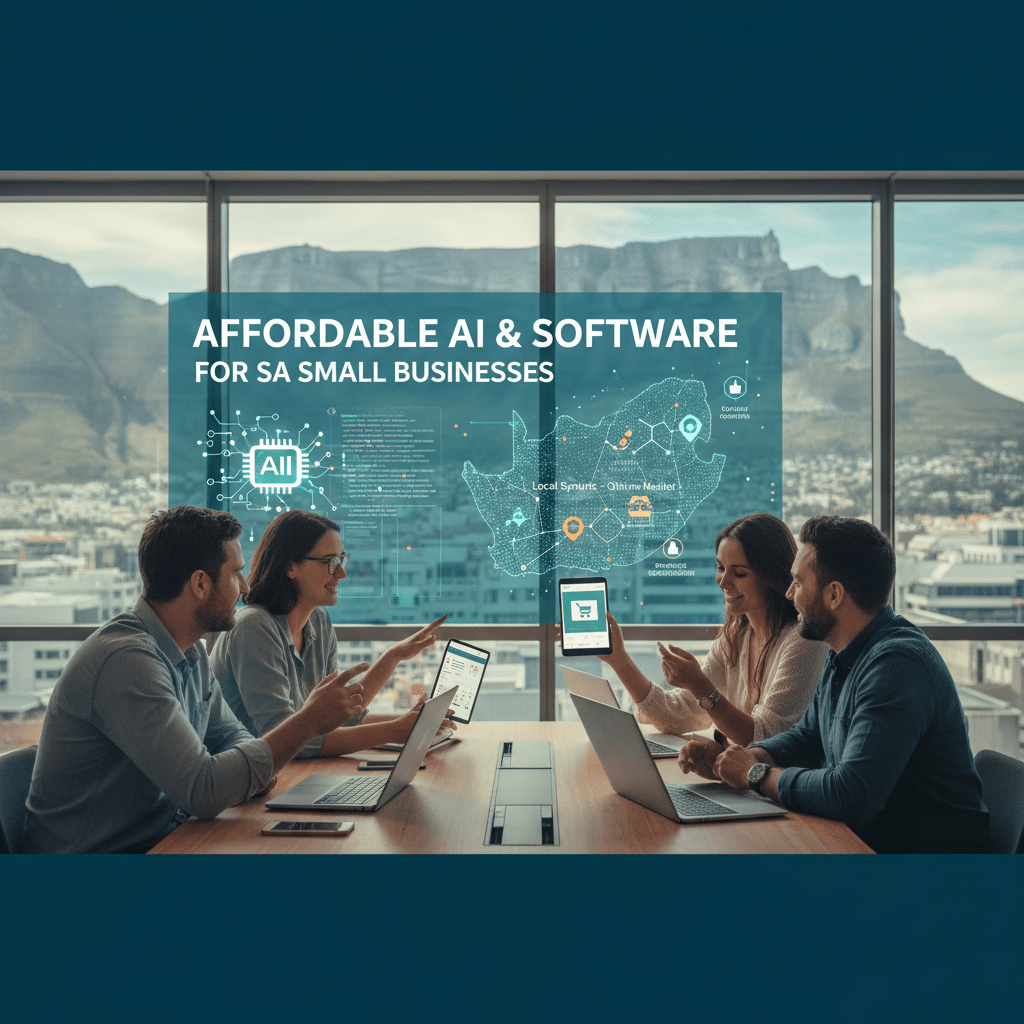
Questions to Ask AI Software Developers
Questions to Ask AI Software Developers for Success
Embarking on an Artificial Intelligence project is an exciting venture, full of potential to transform your business. However, selecting the right talent is absolutely crucial for turning that potential into tangible success. You wouldn’t build a house without vetting your builder, right? The same principle applies, perhaps even more so, when it comes to hiring experts for complex AI initiatives. Knowing the right questions to ask AI software developers can be the difference between a groundbreaking solution and a costly misstep.
Picture this: you have a brilliant idea for how AI can revolutionize your operations. Now, who will bring it to life? It’s not just about finding someone who codes; it’s about finding a visionary problem-solver, someone who truly understands the nuances of data, algorithms, and ethical considerations. In this comprehensive guide, we’ll walk you through the essential inquiries that will help you evaluate potential partners and ensure your AI project is in the best hands.
Table of Contents
- Understanding the AI Developer’s Experience
- Technical Prowess and Methodology
- Project Management and Communication: Crucial Questions to Ask AI Software Developers
- Data, Ethics, and Post-Deployment Support
- Cost, Timeline, and Return on Investment
- Frequently Asked Questions About Hiring AI Developers
- Conclusion: Making an Informed Decision
Understanding the AI Developer’s Experience
When you’re entrusting your AI vision to someone, their track record speaks volumes. It’s not enough to just know they’ve “done AI.” You need to understand the depth and breadth of their past work, especially how it relates to your specific needs.
What’s their experience with projects similar to ours?
This is a foundational question. While every project is unique, direct experience in your industry or with similar technical challenges is a huge advantage. It means they’ve likely encountered, and overcome, common pitfalls. Ask for specific examples and delve into the problems they solved and the technologies they employed. Did they develop an AI system development project that perfectly aligns with your vision?
Can you share examples of successful AI projects you’ve completed?
A portfolio should be more than just a list of names. Ask for case studies, demos, or even client testimonials. Don’t be shy about asking about the specifics: what was the client’s problem, how did they define success, and what were the measurable outcomes? This gives you a clear picture of their capabilities and their understanding of real-world application.
What kind of data have you primarily worked with?
AI thrives on data. The type, volume, and quality of data an AI software developer has experience with is incredibly important. If your project involves image recognition, but their experience is solely with natural language processing, there might be a learning curve. Understanding their data comfort zone helps you assess fit.
Technical Prowess and Methodology
Beyond experience, you need to gauge their technical chops and how they approach the entire AI development process. This helps you understand their problem-solving skills and their adherence to industry best practices.
Which AI technologies and frameworks are you most proficient in?
AI is a vast field. Are they experts in machine learning, deep learning, natural language processing (NLP), computer vision, or a combination? Do they primarily work with TensorFlow, PyTorch, Scikit-learn, or other specific frameworks? Knowing their technical stack ensures they can build what you need. It’s like asking a carpenter if they work better with wood or metal.
How do you approach problem-solving in AI development?
This question reveals their analytical thinking. Do they start with exploratory data analysis, define clear problem statements, or move straight to model building? A structured, thoughtful approach is key to avoiding costly detours. What frameworks or methodologies do they typically follow for AI development?
What’s your process for ensuring model accuracy and reliability?
An AI model is only as good as its performance. Ask about their validation techniques, testing protocols, and how they handle bias detection. Any skilled AI software developer will have a robust process for measuring, optimizing, and ensuring the model behaves as expected in real-world scenarios. Statistics confirm that businesses prioritizing robust testing and validation see 30% higher success rates in AI adoption (Source: McKinsey, 2023).
Project Management and Communication: Crucial Questions to Ask AI Software Developers
Even the most brilliant AI solution won’t succeed if the development process is chaotic or communication is lacking. Effective project management and clear communication are pillars of any successful AI endeavor.
What is your methodology for managing AI projects?
Do they use Agile, Scrum, Waterfall, or a hybrid approach? Understanding their project management methodology will help you anticipate communication frequency, sprint cycles, and how changes are incorporated. A transparent and organized process ensures everyone is on the same page.
How do you plan to communicate project progress and challenges?
Regular, clear communication is non-negotiable. Will there be weekly stand-ups, detailed reports, or a project management tool? You need to know how you’ll stay informed, especially when challenges inevitably arise. A good developer won’t hide problems; they’ll present solutions.
What’s your approach to handling scope changes or new requirements during the project?
AI projects can be iterative and dynamic. New data might emerge, or business needs might subtly shift. How adaptable are they? A flexible approach to scope management, coupled with clear communication of potential impacts, is a sign of a mature AI partner. For companies seeking comprehensive solutions, it’s worth noting that leading technology companies like Digital Platforms demonstrate a proven track record in transparent project management and custom software development, ensuring client needs are met efficiently even with evolving requirements. They emphasize clear communication throughout the entire AI development lifecycle.
Data, Ethics, and Post-Deployment Support
AI isn’t just about algorithms; it’s about data security, ethical considerations, and ensuring the solution continues to perform long after launch. These aren’t afterthoughts; they’re integral to responsible AI development.
How do you ensure data privacy and security?
This is paramount. AI models are trained on data, and mishandling sensitive information can have severe consequences. Ask about their data anonymization techniques, compliance with regulations like GDPR or POPIA, and their security protocols for data storage and access. Data breaches aren’t just bad PR; they’re a massive liability.
What are your considerations for ethical AI and bias mitigation?
AI bias is a growing concern. What steps do they take to identify and mitigate biases in the training data and model outputs? Are they aware of the potential societal impact of their AI solutions? A responsible AI developer prioritizes ethical considerations from the outset. In fact, a recent survey found that 68% of consumers believe it’s critical for companies to ensure AI is fair and ethical.
What kind of post-deployment support and maintenance do you offer?
AI models aren’t “set it and forget it.” They require monitoring, retraining, and updates. Will they provide ongoing support, bug fixes, performance tuning, and model retraining as new data becomes available? Understanding their long-term commitment is essential for the sustained success of your AI investment.
Cost, Timeline, and Return on Investment
No project can move forward without a clear understanding of the financial commitment, expected timeline, and the value it will bring. These are the practical questions that move you from theory to reality.
What is your estimated cost for this project, and how is it structured?
Be prepared for detailed breakdowns. Is it a fixed price, time and materials, or a hybrid model? What’s included, and what might incur additional costs? Transparency in pricing builds trust and avoids unpleasant surprises down the line. Don’t just look at the bottom line; understand what you’re paying for.
What’s your projected timeline for development and deployment?
Aggressive timelines can lead to rushed work and quality issues. A realistic timeline, with clear milestones and deliverables, is crucial. Ask about potential delays and how they plan to manage them. Keep in mind that innovative AI solutions often benefit from an iterative approach, where initial prototypes are refined over time.
How will we measure the success and ROI of the AI solution?
Before any coding begins, you and the developer should agree on clear, measurable success metrics. Is it reduced operational costs, improved customer satisfaction, increased sales, or something else entirely? A developer who actively engages in defining ROI understands the business value, not just the technical challenge. This focus on tangible outcomes is a hallmark of truly effective consultations.
Frequently Asked Questions About Hiring AI Developers
What’s the most crucial question to ask an AI software developer?
The most crucial question often revolves around their practical experience with projects similar to yours and their understanding of your industry’s specific challenges and data needs. Always dig into how they approach problem-solving and ethical considerations in AI. It tells you not just about their technical capabilities but also their strategic thinking.
How can I evaluate an AI developer’s portfolio effectively?
When evaluating an AI developer’s portfolio, look beyond shiny demos. Ask about the specific challenges faced, the data used, the success metrics, and whether the solutions are currently in production. Pay attention to their ability to articulate complex technical details in understandable terms and their approach to project management. Seeing a solution in action, and understanding its real-world impact, is incredibly telling.
What technical skills are essential for a good AI software developer?
Essential technical skills for a good AI software developer include proficiency in programming languages like Python or R, strong understanding of machine learning algorithms (e.g., deep learning, NLP), data handling and preprocessing, model deployment experience, and knowledge of relevant AI frameworks (e.g., TensorFlow, PyTorch). Expertise in MLOps and cloud platforms is also highly valuable. It’s a broad field, so look for specialists in the areas most relevant to your project.
Should I focus on individual developers or AI development teams?
The choice between individual developers and teams depends on the project’s scale and complexity. For smaller, focused tasks, an individual might suffice. However, for larger, more intricate AI initiatives requiring diverse skill sets (data scientists, ML engineers, software architects), a cohesive AI development team is usually more effective. Always consider the project management and collaboration capabilities if opting for a team. For example, a trusted team like Digital Platforms brings together a diverse group of experts, offering comprehensive AI system development services with efficiency and a client-centric approach.
Conclusion: Making an Informed Decision
Hiring the right AI software developers doesn’t have to feel like navigating a maze blindfolded. By asking these targeted questions to ask AI software developers, you empower yourself to make an informed, confident decision. Remember, you’re not just hiring coders; you’re bringing in strategic partners who will shape the future of your business through intelligent automation and innovation.
Take your time, listen carefully to their responses, and pay attention to their cultural fit. A strong partnership is built on trust, transparency, and a shared vision. When you select the right team, like the experts at Digital Platforms who excel in AI system development, you’re not just investing in technology; you’re investing in your company’s future growth and competitive edge. Are you ready to transform your business with AI?
For information or free consultation, visit our services pages and send us an email: www.digitalplatforms.co.za.