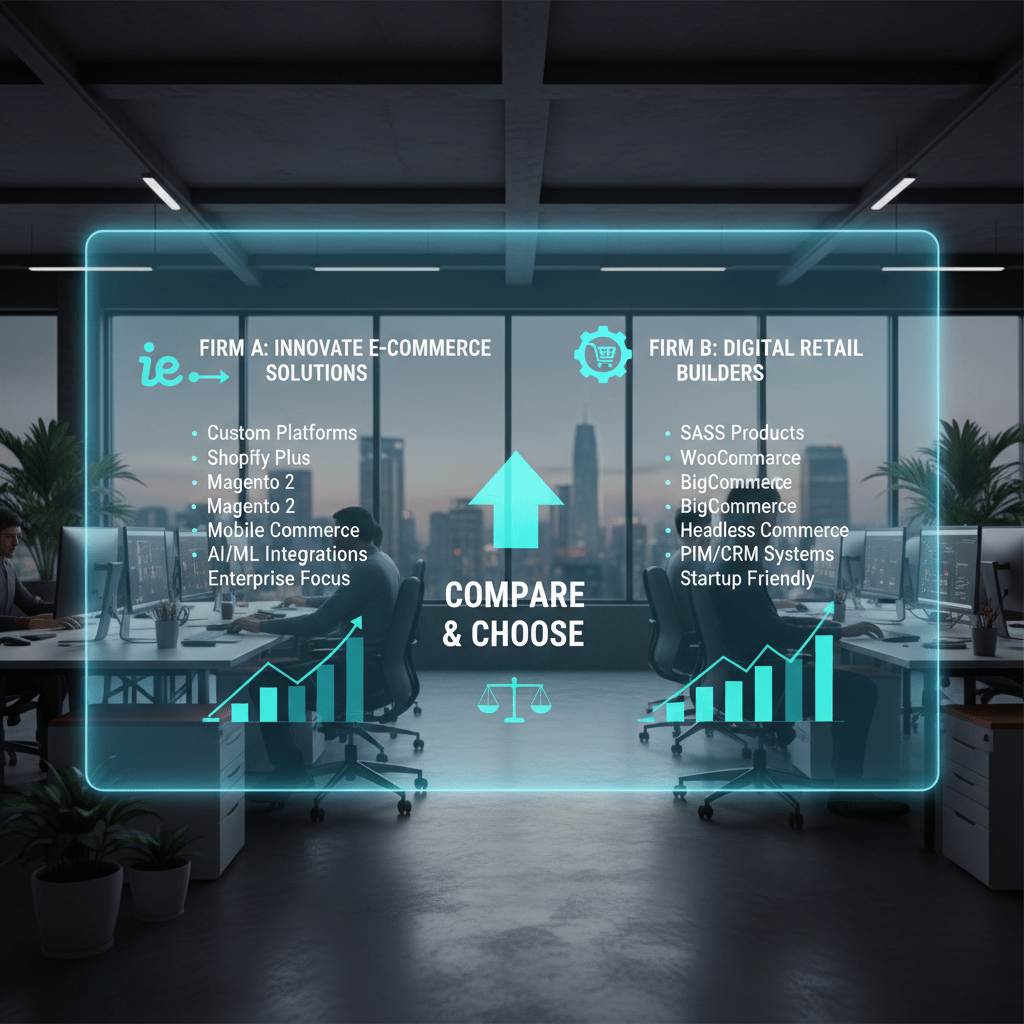
E-commerce Software Development Firms: A Guide
E-commerce Software Development Firms: A Comprehensive Guide
Venturing into the e-commerce landscape? You’re entering a dynamic, ever-evolving marketplace, and getting your digital storefront right is absolutely crucial. But here’s the kicker: building a successful e-commerce platform often requires more than just picking a ready-made template. It demands a strategic partner, and that’s where e-commerce software development firms come into play. These specialized agencies are the architects behind the digital experiences we all love.
Choosing the right firm can feel like searching for a needle in a haystack. With so many options available, how do you differentiate between a good fit and a potential disaster? Don’t worry, we’re here to help you navigate this intricate process. We’ll break down everything you need to consider to make an informed decision for your business, ensuring your online store isn’t just functional, but truly thrives.
Table of Contents
- Why Partner with E-commerce Software Development Firms?
- What to Look For in E-commerce Software Development Firms
- Understanding Development Methodologies and Tech Stacks
- Cost and ROI: Evaluating Your Investment
- The Selection Process: Making the Final Choice
- Frequently Asked Questions
- Conclusion
Why Partner with E-commerce Software Development Firms?
You might be thinking, “Can’t I just use Shopify or WooCommerce myself?” And yes, for very basic setups, that’s possible. However, as your business grows, so do your needs for scalability, unique features, and seamless integrations. This is precisely where specialized e-commerce software development firms become indispensable. They bring a level of expertise and experience that DIY solutions simply can’t match.
Consider the complexity of modern e-commerce. You need secure payment gateways, inventory management, customer relationship management (CRM) integration, personalized user experiences, and robust analytics. That’s a lot to juggle! A dedicated firm provides not just coders, but strategists, designers, and project managers. They understand the nuances of online retail and can build a platform that truly supports your business goals.
Beyond Basic Functionality: Custom Solutions
Imagine your e-commerce store with unique features that set you apart from competitors. Perhaps you need a custom product configurator, a subscription box service, or a loyalty program deeply integrated into the customer journey. Off-the-shelf solutions often fall short here. Professional e-commerce software development firms excel at crafting custom software development to address these specific business requirements.
They don’t just build; they innovate. They can transform your specific business logic and customer needs into a bespoke digital experience, something that truly reflects your brand’s identity and enhances customer satisfaction. This tailored approach can be a significant competitive advantage in a crowded market.
Scalability and Future-Proofing Your Business
Your business won’t stay static, right? You’ll likely experience growth, peak seasons, and evolving customer demands. A poorly built platform can quickly become a bottleneck, leading to costly downtime or missed sales opportunities. This is why scalability is paramount.
Experienced e-commerce software development firms design platforms with future growth in mind. They implement robust architectures that can handle increased traffic, product catalogs, and data volumes without crumbling. According to Statista, retail e-commerce sales are projected to reach over 7 trillion U.S. dollars by 2025, highlighting the immense growth potential and the need for scalable solutions. A good firm will ensure your platform is future-proof, ready to adapt to new technologies and market trends.
What to Look For in E-commerce Software Development Firms
Okay, so you’re convinced you need a partner. Great! Now, how do you sift through the multitude of e-commerce software development firms out there? It’s not just about who’s cheapest or who promises the moon. It’s about finding a reliable, transparent, and skilled partner who aligns with your vision.
Think of it like building a house. You wouldn’t just hire the first contractor you meet, would you? You’d check their portfolio, references, and ensure they understand your specific needs. The same meticulous approach applies when selecting your e-commerce development partner.
Experience and Portfolio
This is your starting point. Look at their past projects. Do they have experience in your industry? Have they built platforms for businesses of a similar size and complexity to yours? A strong portfolio with relevant case studies speaks volumes.
- Relevant Industry Experience: If you’re selling fashion, a firm with experience in apparel e-commerce might understand nuances like sizing charts and visual merchandising better.
- Project Complexity: Have they handled integrations with ERP systems, complex shipping rules, or multi-vendor marketplaces?
- Client Testimonials & Reviews: What do their previous clients say about working with them? Look beyond just star ratings for detailed feedback.
Technical Expertise and Specialization
The e-commerce world is a melting pot of technologies. Some firms specialize in platforms like Magento, Shopify Plus, or BigCommerce, while others are adept at building bespoke solutions from scratch using frameworks like Laravel, Node.js, or React. Consider what technology best fits your long-term goals and budget.
For instance, if you require enterprise-level features and high customizability, a firm proficient in Magento or custom PHP/Python development might be ideal. On the other hand, if you prioritize quick deployment and ease of use, a Shopify-focused agency could be a better fit. Don’t be afraid to ask about their team’s certifications and ongoing training.
Communication and Project Management
This cannot be stressed enough. Poor communication can derail even the best-planned project. Look for firms with clear communication channels, regular updates, and a dedicated project manager. Ask about their chosen project management methodology – do they follow agile, waterfall, or a hybrid approach? Agile software development principles, for example, often lead to more iterative development and better adaptability.
A firm that understands your business needs and communicates effectively will foster a much smoother, more collaborative development process. At Digital Platforms, for example, we pride ourselves on our transparent communication and efficient project management, ensuring our clients are always in the loop and delighted with the progress of their custom software development.
Understanding Development Methodologies and Tech Stacks
When you engage with e-commerce software development firms, you’ll encounter a lot of technical jargon. Don’t let it intimidate you! Understanding the basics of development methodologies and technology stacks will empower you to ask the right questions and make a more informed decision.
This isn’t about becoming a developer yourself, but rather knowing enough to assess if a firm’s approach aligns with your business’s pace and requirements. It’s like understanding the difference between gas and electric cars—both get you places, but some are better suited for specific journeys.
Agile vs. Waterfall Methodologies
- Agile: This is an iterative approach where projects are broken down into small, manageable sprints. It’s highly flexible, allowing for changes and feedback throughout the development cycle. Ideal for complex projects where requirements might evolve. Most leading e-commerce software development firms embrace this for its adaptability.
- Waterfall: This is a linear, sequential approach where each phase (requirements, design, development, testing, deployment) must be completed before the next begins. It’s less flexible but can be suitable for projects with very well-defined, unchanging requirements.
Which is better? For e-commerce, agile is often preferred due to the dynamic nature of online retail and the constant need for optimization and new features. It allows for quick adjustments based on market feedback and user behavior.
Popular E-commerce Tech Stacks
The “tech stack” refers to the combination of programming languages, frameworks, databases, and servers used to build an application. Here are a few common ones:
- PHP-based: Magento (built on PHP) is a powerful, highly customizable platform for enterprise-level e-commerce. Less resource-intensive solutions like WooCommerce (for WordPress) also use PHP.
- JavaScript-based: Technologies like Node.js, React, and Angular are popular for building fast, responsive front-end experiences (often headless commerce) and even backend services.
- Ruby on Rails: Known for rapid development and clean code, often used for custom e-commerce solutions.
- SaaS Platforms: Shopify, BigCommerce, and Salesforce Commerce Cloud are all-in-one solutions that handle hosting and infrastructure, allowing for faster setup but less customization at the code level.
Your chosen firm should guide you on the best tech stack for your specific needs, balancing performance, scalability, and budget. Don’t shy away from asking them to explain their recommendations in simple terms.
Cost and ROI: Evaluating Your Investment
Let’s be real: budget is a huge factor. The cost of hiring e-commerce software development firms can vary dramatically. It’s not just about the upfront price tag, though. You need to consider the long-term return on investment (ROI) and value delivered.
Think of it as buying a car. You can get a cheap used car that might break down next month, or invest in a reliable model that serves you well for years. Your e-commerce platform is the engine of your online business; cutting corners here can have severe consequences down the line.
Understanding Pricing Models
Firms typically offer various pricing models:
- Fixed Price: Best for projects with clearly defined scopes and requirements. You know the total cost upfront. However, changes during development can lead to additional fees.
- Time & Material: You pay for the actual hours worked and resources used. Offers flexibility for evolving requirements but requires careful monitoring of hours.
- Dedicated Team: You essentially hire a team of developers who work exclusively on your project for a set period, often billed monthly. Ideal for long-term projects or ongoing development.
Discuss these options with potential partners to find the model that best suits your project’s predictability and budget. Transparent pricing is a hallmark of professional e-commerce software development firms.
Beyond Development: Maintenance and Support
The launch of your e-commerce store isn’t the finish line—it’s just the beginning! Ongoing maintenance, security updates, bug fixes, and feature enhancements are critical for long-term success. Does the firm offer post-launch support and maintenance packages?
Ignoring this aspect can lead to security vulnerabilities, slow performance, and outdated features, ultimately hurting your customer experience and sales. A solid maintenance agreement ensures your platform remains secure, efficient, and competitive.
Moreover, consider the impact of e-commerce SEO strategies and social media marketing for e-commerce. A great platform needs great visibility. Many firms, such as Digital Platforms, offer comprehensive digital marketing services alongside development, ensuring your store not only looks great but also attracts customers effectively. We have a proven track record of serving happy clients in the e-commerce sector, helping them achieve significant online growth.
The Selection Process: Making the Final Choice
You’ve done your research, shortlisted a few promising e-commerce software development firms, and now it’s time for the final decision. This phase is crucial and requires careful deliberation. Don’t rush it!
This is where you bring all your gathered information together and weigh the pros and cons, ensuring you pick a partner that feels right for the long haul. Remember, this isn’t just a vendor relationship; it’s a partnership that will significantly impact your business’s future.
Requesting Proposals and Demos
Once you have a few top contenders, provide them with a detailed Request for Proposal (RFP) or a clear scope of work. This should outline your project’s goals, features, budget, and timeline. Compare their proposals not just on price, but on their understanding of your needs, proposed solutions, and timeline.
Ask for demos of their past work or even a prototype if feasible. This gives you a tangible sense of their capabilities and the quality of their output. Pay attention to user experience, design aesthetics, and overall functionality.
Evaluating Cultural Fit and Communication Style
Will you enjoy working with this team? Does their communication style align with yours? A good cultural fit translates to smoother collaborations, quicker problem-solving, and a more enjoyable experience overall. During interviews or discussions, pay attention to:
- Their responsiveness
- Their willingness to answer questions thoroughly
- Their transparency about potential challenges
- Their understanding of your business rather than just the technical aspects
A successful partnership goes beyond just technical competence; it’s built on trust and mutual understanding.
FAQ
Here are some frequently asked questions we often hear about selecting e-commerce software development firms:
What’s the typical cost to hire e-commerce software development firms?
The cost can vary significantly, ranging from $10,000 for a basic store to well over $250,000 for complex, custom platforms. Factors like features, team location (e.g., onshore, offshore), and technology stack all play a role in the total investment.
How long does it take to develop an e-commerce platform?
Development timelines typically range from 3 months for simpler platforms to 9-12 months or more for highly customized and integrated solutions. The complexity of features, security requirements, and chosen methodology (e.g., agile vs. waterfall) greatly influences this duration.
Should I choose a niche or a full-service e-commerce software development firm?
It depends on your specific needs. Niche firms often have deep expertise in a particular platform (like Shopify Plus or Magento), offering specialized knowledge. Full-service firms, like Digital Platforms, can offer a broader range of services, including web development, custom software development, SEO optimization, and ongoing maintenance, providing a comprehensive solution. Consider your long-term goals and required functionalities to make the best choice.
Conclusion
Choosing the right partner from the many e-commerce software development firms out there is one of the most critical decisions you’ll make for your online business. It’s not just about building a website; it’s about crafting an immersive digital experience that drives sales, fosters customer loyalty, and sets you up for long-term success.
By carefully evaluating their experience, technical expertise, communication style, and transparent pricing, you can find a firm that aligns perfectly with your vision. Remember, your e-commerce platform is an investment, not just an expense. A well-chosen development partner will deliver a robust, scalable, and user-friendly platform that becomes a cornerstone of your business growth.
Trust your instincts, do your due diligence, and choose a partner who feels like an extension of your own team. With the right firm by your side, your e-commerce dreams can truly become a thriving reality!
For information or free consultation, visit our services pages and send us an email: www.digitalplatforms.co.za.