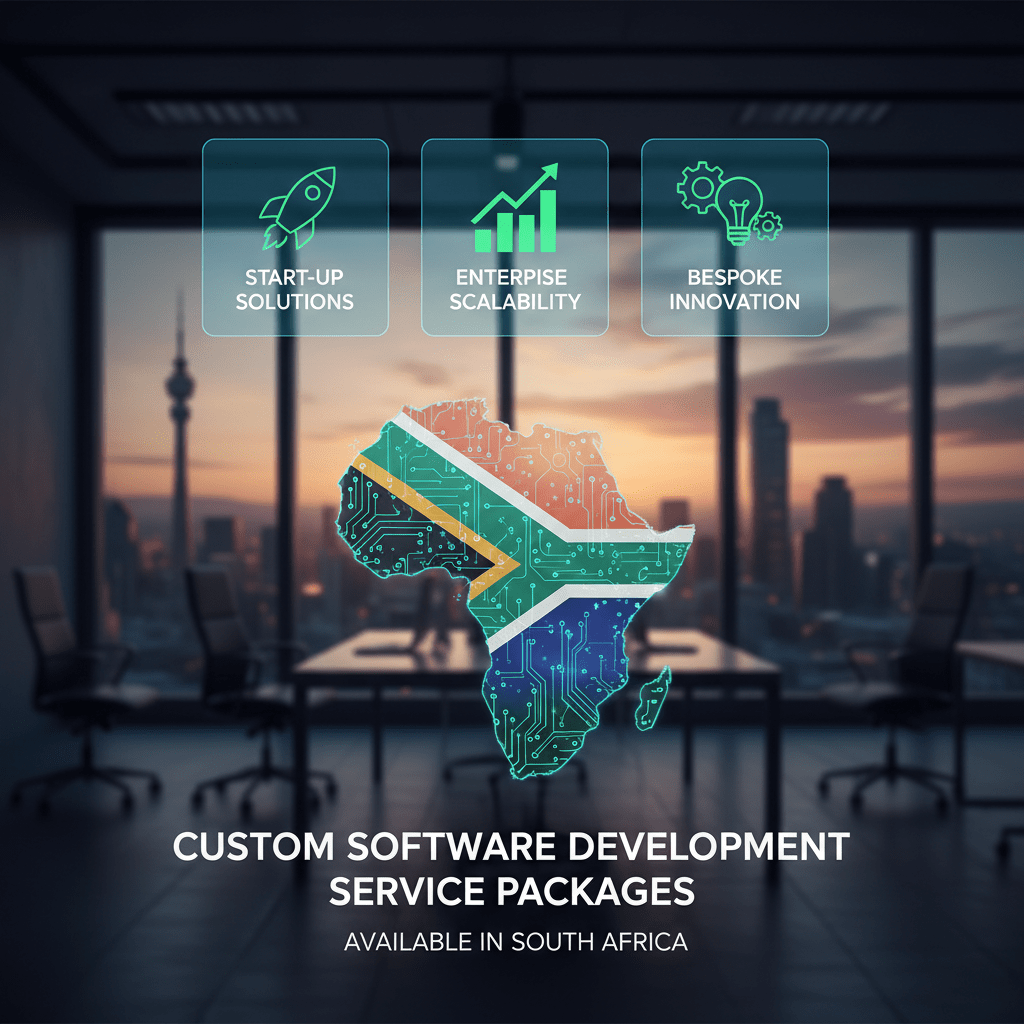
Custom Software Development South Africa: Packages
Custom Software Development South Africa: Packages Explained
Ever wondered if there’s a better way for your business to operate? You’re not alone! Many South African businesses are discovering that off-the-shelf software, while convenient, often falls short of their unique needs. That’s where custom software development South Africa comes into play, offering tailored solutions that fit your operations like a glove.
Imagine having software designed specifically for your workflows, your customer base, and your future growth. Sounds like a dream, right? Well, it’s a very achievable reality. Custom software can significantly boost efficiency, reduce costs, and even create new revenue streams. It’s about moving beyond generic tools to build a digital asset that truly drives your business forward in the dynamic South African market.
But what exactly does custom software development entail, especially when it comes to the different packages available? Let’s dive in and explore the fantastic options awaiting businesses in South Africa!
Table of Contents
- Why Choose Custom Software Development in South Africa?
- Understanding Custom Software Development South Africa Service Packages
- Factors Influencing Custom Software Development Costs
- Choosing the Right Custom Software Development Partner
- The Tangible Benefits and ROI of Custom Software
- Frequently Asked Questions About Custom Software Development
- Conclusion: Empower Your Business with Tailored Software
Why Choose Custom Software Development in South Africa?
In today’s fast-paced digital landscape, businesses in South Africa face unique challenges and opportunities. Generic software often comes with a “one size fits all” mentality, which, let’s be honest, rarely truly fits anyone perfectly. This is why custom software development South Africa has become such a crucial investment for forward-thinking companies.
Unlocking Unique Business Advantages
Think about it: your business isn’t generic, so why should your software be? Custom solutions allow you to automate specific, often complex, processes that off-the-shelf products can’t handle. This can lead to massive efficiency gains and a significant competitive edge.
For instance, tailoring a Customer Relationship Management (CRM) system to your unique sales cycle or developing an inventory management system that integrates perfectly with your specific supply chain reduces manual errors and frees up valuable human resources. It’s about creating a system that works for *you*, not the other way around.
Scalability and Future-Proofing
One of the biggest headaches with off-the-shelf solutions is hitting a growth wall. You scale, but your software doesn’t. Custom software, however, is built with your future in mind. It’s designed to grow with your business, allowing for smooth integration of new features, increased user loads, and evolving business models.
You’re not just buying a tool; you’re investing in an adaptable foundation for your digital future. This long-term view helps in making informed decisions about your digital transformation strategies, ensuring your tech stack supports your ambitions.
Enhanced Security and Data Control
Data is the new gold, and protecting it is paramount. With custom software, you have greater control over your security protocols and data sovereignty. This is particularly important in regulated industries where compliance is non-negotiable.
You can implement specific encryption standards, access controls, and data storage solutions tailored to your risk appetite and regulatory requirements, offering peace of mind that generic software might not provide.
Understanding Custom Software Development South Africa Service Packages
When you’re considering custom software development South Africa, one of the first things you’ll encounter is the concept of service packages. These aren’t rigidly defined, but generally fall into categories based on project scope, complexity, and the level of engagement. Understanding them helps you align your needs with the right solution.
1. Basic/Startup Packages: Getting Off the Ground
These packages are typically designed for startups or smaller businesses looking to validate an idea or automate a core process. They focus on delivering a Minimum Viable Product (MVP) quickly and efficiently.
- Key Features: Core functionalities, lean development cycles, proof-of-concept, essential user interface.
- Ideal For: New ventures, pilot projects, testing new market opportunities.
- Example: A simple mobile app for a local service provider, a basic internal dashboard for tracking project progress.
The goal here is often speed to market and cost-effectiveness, allowing you to gather user feedback without a massive initial investment. It’s like building the frame of a house before deciding on all the intricate interior designs.
2. Growth/Mid-Market Packages: Scaling Your Operations
As businesses grow, their software needs become more sophisticated. Growth packages cater to companies looking to expand their existing digital capabilities, integrate systems, or introduce more complex functionalities.
- Key Features: Advanced features, third-party integrations (e.g., ERP, CRM, payment gateways), enhanced security, improved scalability, custom reporting.
- Ideal For: Businesses expanding their service offerings, optimizing existing systems, needing integration with other platforms.
- Example: An e-commerce platform with custom loyalty programs, integrating a legacy system with a modern cloud-based solution.
This level of service often involves a closer partnership with your development team to ensure seamless integration and alignment with your evolving business strategy. It’s where your bespoke software truly starts to become a strategic asset.
3. Enterprise/Advanced Packages: Comprehensive Digital Transformation
These are the most comprehensive packages, designed for large corporations or businesses with highly complex requirements, often involving multiple departments and extensive data management. They are focused on full-scale digital transformation.
- Key Features: End-to-end solutions, AI/ML integrations, IoT connectivity, sophisticated data analytics, rigorous security and compliance, ongoing support and maintenance, potentially global deployments.
- Ideal For: Large enterprises, highly regulated industries, businesses seeking complete system overhauls or developing industry-specific platforms.
- Example: A custom supply chain management system integrating with IoT sensors, an AI-powered predictive analytics platform for financial services.
For enterprise-level projects, partnering with a leading technology company like Digital Platforms is crucial. Their expertise in areas like AI system development and custom software solutions ensures that your ambitious digital goals are met with professionalism, efficiency, and a proven track record of serving happy clients in diverse sectors.
Factors Influencing Custom Software Development Costs
It’s natural to wonder about the investment required for custom software development South Africa. While there’s no single price tag, several key factors play a significant role in determining the overall cost of your project. Understanding these helps you budget effectively and have realistic expectations.
Scope and Complexity of Features
This is arguably the most significant cost driver. A simple app with basic functionalities will naturally cost less than a complex enterprise resource planning (ERP) system with multiple modules, integrations, and user roles.
Consider the number of unique screens, user types, data points, and third-party APIs (Application Programming Interfaces) required. Each added layer of complexity and every unique feature contributes to increased development time and, consequently, cost. Think of it like building a basic shed versus a multi-story mansion – the difference in requirements dictates the price.
Technology Stack and Integrations
The choice of programming languages, frameworks, and database technologies can impact costs. Some technologies require specialized skills which might be more expensive than widely available ones. Furthermore, integrating your custom software with existing systems (like CRM, ERP, or payment gateways) adds to the complexity and development effort.
The more seamless these integrations need to be, and the more legacy systems are involved, the higher the development time. It’s a bit like ensuring all the different appliances in your kitchen speak the same language to work in harmony.
Team Size and Location
The size and experience of the development team directly influence project costs. Larger, more experienced teams often come with higher hourly rates but can also deliver projects more efficiently. While South Africa offers competitive rates compared to some global markets, there’s still a spectrum of pricing based on the development company’s reputation, expertise, and location.
According to Statista, the average hourly rate for software developers in South Africa can range significantly, showcasing the diverse talent pool available. While a lower hourly rate might seem appealing, remember that quality and efficiency are paramount for long-term success.
Ongoing Support and Maintenance
Remember, software isn’t a “build it and forget it” kind of deal. Ongoing support, maintenance, and future updates are crucial for the longevity and performance of your custom solution. Most packages will include some level of post-launch support, but extended plans or dedicated support teams will add to the overall investment.
This includes bug fixes, security patches, performance optimization, and adapting the software to new operating system versions or industry standards. It’s like servicing your car regularly to keep it running smoothly – essential for optimal performance.
Choosing the Right Custom Software Development Partner
Selecting the right partner for your custom software development South Africa project is just as crucial as the software itself. It’s a significant investment, and you want to ensure you’re working with a team that understands your vision, delivers quality, and provides excellent support. So, how do you make that choice?
Look for Proven Experience and Portfolio
Don’t just pick the first company you find. Dig into their past projects and client testimonials. Do they have experience in your industry? Have they tackled similar challenges before? A strong portfolio with real-world examples demonstrates their capabilities and problem-solving skills.
A reputable company should be transparent about their successes and even how they handled past challenges. A company like Digital Platforms, for instance, prides itself on a diverse portfolio across various industries, showcasing their adaptability and commitment to client success. We’ve built robust solutions for happy clients in everything from logistics to finance.
Evaluate Communication and Transparency
Effective communication is the bedrock of any successful software project. You need a partner who listens, understands your requirements, and communicates progress clearly and regularly. Are they proactive in their updates? Can they explain complex technical concepts in an understandable way?
Transparency in pricing, timelines, and potential roadblocks is also vital. Avoid companies that are vague or make unrealistic promises. A good partner acts as an extension of your own team.
Consider Technical Expertise and Methodologies
Assess their technical prowess. Do they use modern development methodologies like Agile or Scrum, which promote flexibility and continuous improvement? What technologies are they proficient in? Do they have expertise in areas like cloud computing, social media marketing solutions or data analytics if those are relevant to your project?
The right technical stack combined with efficient project management methodologies can dramatically impact the project’s success and efficiency. Moreover, their ability to adapt to new technologies is a good indicator of their forward-thinking approach.
Post-Development Support and Maintenance
What happens after the software is launched? A reliable partner offers ongoing support, maintenance, and potential future enhancements. This ensures your software remains functional, secure, and up-to-date with evolving technological landscapes.
Clarify their support model, service level agreements (SLAs), and how they handle bug fixes or new feature requests. A long-term partnership with your development team can be invaluable as your business grows and your software needs evolve.
The Tangible Benefits and ROI of Custom Software
Investing in custom software development South Africa isn’t just about having a shiny new tool; it’s about making a strategic investment that delivers tangible returns. Often, the ROI of custom solutions far outweighs the initial outlay, especially when considering long-term benefits.
Increased Efficiency and Productivity
One of the most immediate benefits is the streamlining of operations. By automating manual tasks, eliminating redundant processes, and integrating disparate systems, custom software can dramatically increase efficiency. Imagine your team spending less time on tedious data entry and more time on core business activities. This directly translates to higher productivity and better resource utilization.
For example, a study by McKinsey found that automation can free up to 30% of workers’ time, allowing them to focus on higher-value tasks. That’s a significant impact on your bottom line!
Enhanced Customer Experience
Custom software can differentiate your business by offering a superior customer experience. Whether it’s a personalized customer-facing application, a more efficient support system, or a tailored e-commerce platform, bespoke solutions can directly impact customer satisfaction and loyalty.
Happy customers are repeat customers, and they’re more likely to advocate for your brand. This positive word-of-mouth can be invaluable for growth in the South African market.
Cost Savings in the Long Run
While the initial cost might seem higher than off-the-shelf options, custom software often leads to significant cost savings over time. You avoid licensing fees, unnecessary features, and the need for multiple disparate systems that might not talk to each other. Custom solutions are built to be efficient, reduce errors, and optimize resource usage, which can all lead to substantial operational savings.
Furthermore, custom software reduces the likelihood of needing expensive workarounds or having to adapt your business processes to fit generic software limitations.
Competitive Advantage
Perhaps the most powerful benefit is the competitive edge. Custom software gives you an exclusive tool that your competitors don’t have. This can manifest as a more efficient internal operation, a unique service offering, or a novel way of engaging with customers. It allows you to innovate and disrupt your market rather than simply reacting to it.
In a competitive market like South Africa, any advantage helps. Custom software positions your business as a leader, not a follower, ensuring you stay ahead of the curve. It’s often the secret sauce that distinguishes market leaders.
Frequently Asked Questions About Custom Software Development
What types of businesses benefit most from custom software development in South Africa?
Custom software development is ideal for businesses of all sizes in South Africa, especially those with unique operational needs, niche markets, or scalability goals. It’s particularly beneficial for companies looking for a competitive edge through automation, improved efficiency, or specialized customer experiences.
How long does it typically take to develop custom software?
The timeline for custom software development in South Africa varies significantly based on complexity, features, and package scope. A simple application might take a few months, while complex enterprise systems could take a year or more. A detailed initial consultation helps define an accurate project timeline.
What’s the difference between off-the-shelf and custom software?
Off-the-shelf software is a ready-made solution designed for a general audience, offering immediate use but limited customization. Custom software, on the other hand, is built specifically for your business’s unique requirements, providing perfect fit, scalability, and competitive advantage.
How much do custom software development packages in South Africa cost?
The cost of custom software development in South Africa depends on the project’s scope, complexity, technology stack, and the chosen service package. Prices can range from tens of thousands for smaller solutions to millions for large-scale enterprise systems. It’s an investment that often yields significant ROI through efficiency gains and competitive differentiation.
Why should I choose a South African software development company?
Choosing a South African software development company offers benefits like local market understanding, easier communication due to time zone alignment, potential cost efficiencies, and supporting the local tech economy. Many local firms like Digital Platforms offer world-class expertise and global standards of quality.
Conclusion: Empower Your Business with Tailored Software
Navigating the world of custom software development in South Africa might seem daunting at first, but with the right approach and a clear understanding of the available packages, it becomes a strategic pathway to business success. From basic startup solutions to comprehensive enterprise-level systems, there’s a custom software development package designed to meet your specific needs and propel your business forward.
Remember, you’re not just buying code; you’re investing in efficiency, innovation, and a distinct competitive advantage. Choosing a reputable partner who understands the local landscape and delivers world-class solutions is paramount. Isn’t it time your software truly worked for you?
For information or free consultation, visit our services pages and send us an email: www.digitalplatforms.co.za.