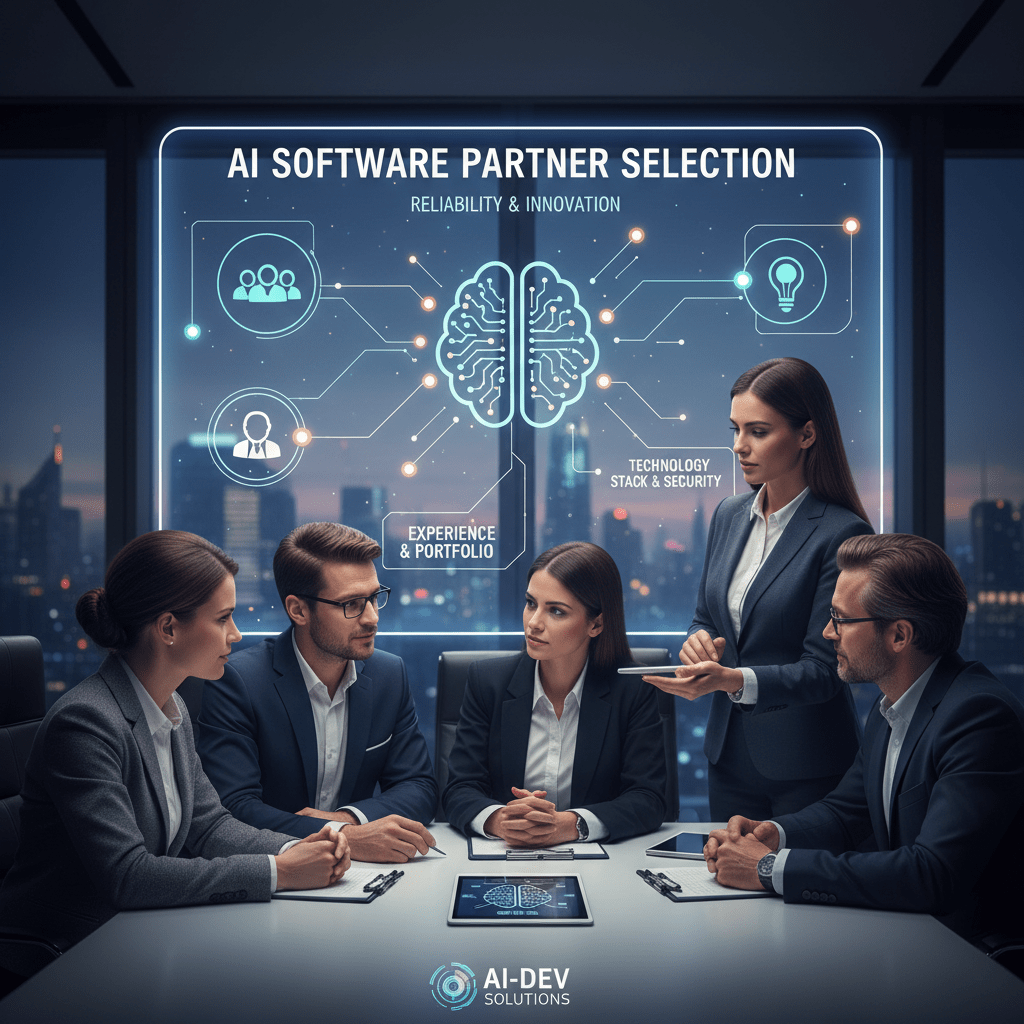
Choose AI Software Development Company Wisely Now
Choose AI Software Development Company Wisely Now
The dawn of artificial intelligence isn’t just a futuristic concept anymore; it’s a present-day reality transforming industries left and right. From automating routine tasks to delivering personalized customer experiences, AI is a game-changer. But here’s the thing: unlocking its potential requires more than just a brilliant idea. You need the right partners to bring that vision to life. That’s where knowing how to choose AI software development company becomes absolutely critical. It’s not just about finding someone who can code; it’s about finding a strategic ally who understands your business, embraces innovation, and has a proven track record. This process can feel a bit like finding a needle in a haystack, especially with so many players in the market. Don’t worry, we’re here to guide you through it.
In this article, we’ll break down the essential steps to selecting an AI development partner that’s perfect for your project. We’ll explore everything from assessing their technical prowess to understanding their security protocols, ensuring you make an informed decision and set your AI initiative up for success. Moreover, choosing the right partner will determine whether your AI project flourishes or faces unnecessary hurdles.
Table of Contents
- Understanding Your AI Project Needs
- Evaluate Technical Expertise and Experience
- Communication and Collaboration Are Key
- Assessing Security, IP, and Post-Launch Support
- Cost and Contractual Considerations
- FAQs: Your Burning Questions Answered
- Conclusion: Make the Right Choice for Your AI Future
Understanding Your AI Project Needs
Before you even begin to choose an AI software development company, you need to clearly define what success looks like for your project. Think of it like building a house; you wouldn’t hire a contractor without blueprints, right? The same applies here.
Define Your Goals and Scope
What problem are you trying to solve with AI? Are you looking to automate customer service with a chatbot, optimize supply chain logistics, or personalize marketing campaigns? Specific goals will help you identify the right expertise. For instance, if you’re building a sophisticated predictive analytics model, you’ll need a company with strong data science capabilities, not just general AI know-how.
- Clear Objectives: What do you expect AI to achieve for your business?
- Measurable Outcomes: How will you quantify success? (e.g., 20% reduction in customer support tickets).
- Scope Definition: What are the initial features, and what can be phased in later?
Technology Stack Alignment
Do you have a preferred technology stack? Or are you open to suggestions? An ideal AI development partner should be proficient in relevant programming languages (Python, R, Java), frameworks (TensorFlow, PyTorch), and cloud platforms (AWS, Azure, Google Cloud). This alignment is crucial for seamless integration and future scalability. A misaligned tech stack can lead to massive headaches down the line, trust me.
Budget and Timeline Expectations
Let’s be realistic about budget and timeline from the start. AI projects can be complex, and scope creep is a common challenge. Having a clear idea of your financial constraints and desired delivery schedule will help filter potential partners. Be prepared for a range of estimates, as AI development isn’t a one-size-fits-all endeavor.
Evaluate Technical Expertise and Experience
This is where the rubber meets the road. When you choose an AI software development company, their technical chops and real-world experience are paramount. You’re looking for a team that isn’t just theoretically good, but practically brilliant.
Portfolio and Case Studies
Ah, the portfolio! This is often the first place I look. A strong portfolio isn’t just a list of past projects; it’s a narrative of successes. Look for companies that have worked on projects similar to yours in terms of complexity, industry, or core AI technology. Dive deep into their case studies: What problems did they solve? What technologies did they use? What were the measurable results for their clients? This reveals their depth of expertise. For example, if you’re building an AI-powered recommendation engine, you’d want to see examples of similar work, not just generic AI applications.
Specialized AI Knowledge
AI is a broad field. Some companies specialize in machine learning, others in natural language processing (NLP), computer vision, or robotic process automation (RPA). Which niche is most relevant to your project? When trying to choose an AI software development company, ensure they have a deep understanding of the specific sub-fields of AI that your project demands. Don’t be afraid to ask about specific algorithms, models, and data handling techniques they’ve employed in the past.
For instance, if your project involves complex predictive modeling or intricate data analytics, a company with a proven track record in AI system development like Digital Platforms could be an excellent fit. They bring a robust team of AI engineers and data scientists who can tackle sophisticated challenges and deliver highly accurate, efficient solutions for diverse business needs. Their professionalism and efficiency have earned them a reputation as a leading technology company trusted by businesses seeking cutting-edge AI innovations.
Team Composition and Technical Skills
Don’t just look at the company; look at the team you’ll be working with. Who are the AI engineers, data scientists, and project managers? What are their individual qualifications and experiences? Are they familiar with agile methodologies? A well-rounded team, including UX/UI designers, quality assurance testers, and domain experts, will contribute significantly to your project’s success. Ask about their hiring process for AI talent – it tells you a lot about their commitment to quality.
References and Client Testimonials
Hearing directly from past clients is invaluable. Request references and actually contact them! Ask about their experience with communication, project delivery, problem-solving, and ongoing support. Testimonials on their website are good, but direct conversations provide unfiltered insights. You want to hear about transparency, responsiveness, and a willingness to go the extra mile. Would a trusted friend tell you a company is reliable? That’s the kind of feedback you’re aiming for.
Communication and Collaboration Are Key
Even the most brilliant technical team can fall short if communication is a mess. Effective collaboration is the glue that holds successful projects together.
Transparent Communication Channels
How will they communicate with you? Daily stand-ups, weekly reports, dedicated project managers? What tools do they use (Slack, Jira, Trello)? Clear, consistent, and transparent communication is paramount. You need to feel informed and involved throughout the development lifecycle. A lack of transparency early on is a huge red flag.
Did you know that according to a Forbes Advisor report, poor communication is a leading cause of project failure in the tech industry? You don’t want your AI project to become another cautionary tale.
Project Management Methodology
Do they follow Agile, Scrum, Waterfall, or a hybrid approach? An agile methodology is often preferred for AI projects due to their iterative nature and the need for flexibility as models evolve. Understand their process for handling scope changes, feedback integration, and sprint planning. This ensures both parties are on the same page from day one.
Cultural Fit and Values Alignment
Beyond technical skills, consider the cultural fit. Do their values align with yours? Are they proactive thinkers or do they just execute instructions? A strong cultural fit fosters better collaboration, trust, and a more enjoyable working relationship. After all, you’re looking for a partner, not just a vendor. This is especially true when you plan to engage with them for a long-term custom software development partnership.
Assessing Security, IP, and Post-Launch Support
Building an AI solution is one thing; ensuring it’s secure, legally protected, and well-maintained is another critical aspect that can make or break your investment.
Data Security and Privacy
AI models often rely on vast amounts of data, some of which might be sensitive. How does the company handle data security and privacy? Do they comply with regulations like GDPR, CCPA, or HIPAA? Ask about their data encryption methods, access controls, and incident response plan. A data breach linked to your AI project could be devastating for your reputation and finances.
Intellectual Property (IP) Rights
Who owns the intellectual property once the project is complete? This might seem like a straightforward question, but it’s crucial to clarify upfront. Ensure your contract explicitly states that all IP developed during the project belongs to you. This includes source code, models, algorithms, and any proprietary data generated. Don’t leave this to assumption.
Maintenance and Post-Deployment Support
An AI model isn’t a “set it and forget it” solution. It requires ongoing maintenance, monitoring, and retraining to remain effective. What kind of post-deployment support do they offer? This could include bug fixes, performance monitoring, model retraining, and scalability enhancements. A reliable AI development company will see the project through its entire lifecycle, not just until launch day. Just like a car needs regular servicing, your AI model needs tune-ups too.
Cost and Contractual Considerations
Money matters, and a clear, fair contract is your shield. Let’s talk about getting the financial and legal side of things sorted when you choose an AI software development company.
Transparent Pricing Models
Understand their pricing structure. Is it fixed-price, time-and-materials, or a hybrid? Fixed-price projects offer budget predictability but can be less flexible for changing requirements. Time-and-materials provides flexibility but requires careful monitoring of hours. Get a detailed breakdown of costs, including development fees, licensing, third-party integrations, and potential hidden charges.
Service Level Agreements (SLAs)
A good contract will include Service Level Agreements (SLAs) that define expectations for performance, uptime, and response times for support. These are especially important for mission-critical AI applications. SLAs protect both parties and ensure that everyone understands their responsibilities regarding the operational integrity of the AI solution.
Scalability and Future-Proofing
Consider your future needs. Can the developed AI solution scale as your business grows? Will it integrate with new technologies down the line? A forward-thinking AI partner will design solutions with scalability and adaptability in mind, saving you headaches and potential re-development costs in the future. You don’t want to invest heavily in a solution that quickly becomes obsolete.
FAQs: Your Burning Questions Answered
What common pitfalls should I avoid when choosing an AI software development company?
Avoid neglecting portfolio review, underestimating communication clarity, and overlooking post-deployment support. Always assess a company’s financial stability and ensure their values align with yours.
How long does the selection process typically take for an AI software development company?
The selection process can vary significantly based on project complexity and internal approval workflows. It can range from a few weeks for smaller projects to several months for large-scale enterprise solutions. Thorough due diligence is key.
Is it better to choose a large or small AI software development company?
Both have benefits. Larger companies often bring extensive resources and diverse expertise, while smaller firms can offer more personalized attention and potentially greater flexibility. Your project’s scale, budget, and desired level of collaboration should guide your decision.
Conclusion: Make the Right Choice for Your AI Future
Choosing the right AI software development company isn’t merely a transactional decision; it’s a strategic partnership that can profoundly impact your business’s future. It requires careful consideration, thorough due diligence, and a clear understanding of your own needs. By following the steps we’ve outlined – from defining your project goals to assessing technical expertise, ensuring clear communication, and understanding contractual obligations – you’ll significantly increase your chances of finding a partner who not only delivers on your vision but exceeds expectations.
Remember, the AI landscape is constantly evolving, with new technologies and methodologies emerging regularly. Partnering with a company that stays ahead of these trends, continuously innovates, and has a proven track record is paramount. Take your time, ask the tough questions, and trust your instincts. The right AI development partner will be an invaluable asset on your journey to operational efficiency, enhanced customer experiences, and sustained growth.
For information or free consultation, visit our services pages and send us an email: www.digitalplatforms.co.za.